Drone Pilot Jobs, Licensing, and Promising Career Guide
 Cinday Orley
•
March 18, 2026
Cinday Orley
•
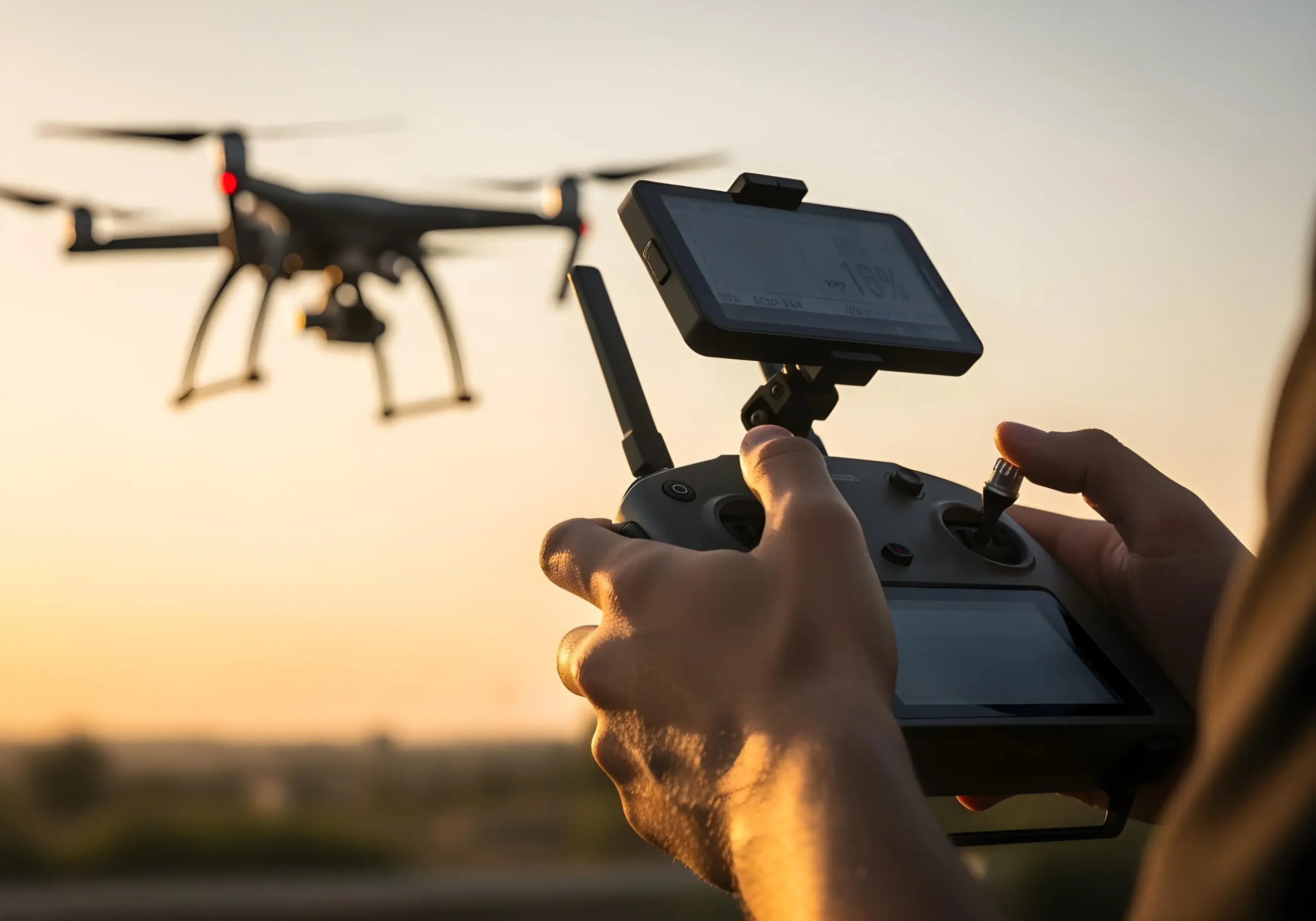
March 18, 2026The emergence of aerial cinematography, surveying, remote imaging, and related areas has raised the demand for drone pilot jobs in various sectors at a large scale. Drones have become the key of modern visual and technical processes starting with the creation of films and television up to inspecting the construction infrastructure and monitoring the environment. With a growing level of technologized approach and regulations that have reached maturity, professional certification and safety of operation through and through have now become milestones of longer term success. Knowledge of licensing tracks, job market, and requirements of the industry assists the aspiring pilots to compare viable drone pilot careers in the dynamically changing environment of Canadian aviation and media.
Table of Contents
Expanding Demand for Drone Pilot Employment
Growth Across Creative and Commercial Industries
The drone pilots employment today is much broader than aerial photography. The movie industry, building mapping, agriculture surveillance, and emergency management activities are all dependent on experienced pilots who can safely and efficiently control the flight. This diversity has remained to establish fresh job opportunities to drone pilots in the country.
In the screen production sector in particular, work in uav drone pilots provides a great source of cinematic aerial shots, which add to the narrative and enhance scale. Filmmakers are gradually relying on drones in order to get dynamic action that would not be efficiently obtained without the use of a crane or a helicopter.
Recruitment and Hiring Trends
The need in the industry is often manifested in the drone pilots recruitment announced in the production companies, engineering companies, and survey agencies. Postings that are tagged as drone pilot wanted may often specify certification, experience in the flight logs, and familiarity with the equipment as a minimum qualification.
Licensing Requirements and Regulatory Compliance
Understanding Canadian Drone Certification
In Canada, in order to conduct business in the aviation industry, one is subject to federal regulations. The process of obtaining a drone pilot licence or a drone pilot license is associated with taking knowledge exams and acquiring operational awareness, adherence to safety measures which are set by Transport Canada.
Such certification routes make sure that pilots are conversant with airspace regulations, weather restrictions and risk management duties before undertaking professional flights.
Flight Authorization and Operational Safety
On top of certification, there are missions that need further authorization by use of NAV CANADA systems. Those processes are useful in coordinating the work of drones and other airplanes as well as protecting people. Knowledge of regulations thus becomes a pivotal pillar to a stable drone pilot career.
Career Paths for Professional Drone Pilots
Film, Television, and Media Production
Drones are usually used in conjunction with directors, cinematographers and safety coordinators in the movie settings. It takes intelligence in creativity and technical discipline to record the resulting smooth aerial motion that meets the laws of a particular country.
All professionals in uav drone pilot jobs for film can also liaise with ground camera teams or lighting teams to make sure that scenes flow seamlessly.
Industrial, Surveying, and Environmental Work
Out of media creation, the drone pilot employment is found in surveying land, inspecting infrastructure and surveilling the environment. The technical positions can be highly predictable in long term earnings as opposed to creative positions that are temporary.
Skills Required for Long-Term Success
Technical Flight Mastery and Safety Awareness
Stable navigation, avoidance of obstacles, and environmental survey are the skills that will always be helpful to a person who wants to become a drone pilot. Pilots need to read the wind conditions, battery range, and signal interferences without the need to lose the image balance.
Communication and Professional Coordination
Stable navigation, avoidance of obstacles, and environmental survey are the skills that will always be helpful to a person who wants to become a drone pilot. Pilots need to read the wind conditions, battery range, and signal interferences without the need to lose the image balance.
Visual Storytelling and Cinematic Awareness
Framing and motion, in media production, allows pilots to film the drone footage in a manner that would aid in storytelling of the footage, as opposed to mere aerial observation. Such artistic instinct separates the people working in cinema as creative people and technical workers.
Finding and Securing Drone Pilot Opportunities
Networking and Industry Visibility
Repeat contracts enable pilots to be hired by companies because of consistent performance, adherence to strict regulations, and effective communication. Numerous drone pilots establish an image in a network of production, or technical services operators who provide regular jobs to drone pilots.
Accessing Active Production Listings
Pilots searching for current drone pilot jobs or collaboration opportunities can review production postings on our platform:
This resource connects certified professionals with active filming and media projects across Canada.
Future Outlook for Drone Pilot Careers
Technological Innovation and Automation
The development of stabilization, the identification of obstacles, and autonomous flight planning is another aspect of the personal drone pilots career still in development. Automation can also be used to streamline the process of routine jobs, but skillful pilots will still be needed in more complicated cinematic or industry missions.
Expanding Regulatory Frameworks
With the improving of drone policies by the aviation authorities, more effective licensing and safety frameworks are likely to facilitate the development of a successful uav drone pilot jobs and the expansion of the field of aerial-imaging careers.
Conclusion
Due to the fast growth of aerial technology, drone pilot jobs have become a diverse and viable career choice in multiple fields in the field of film, industry and the environment. Through proper certification, regulatory knowledge as well as building technical and creative skills, would help aspiring pilots to pursue emergency drone pilot careers in the changing aviation industry in Canada. Since aerial imaging will always be in demand, the presence of qualified professionals will still be needed in safe and effective drones in the country.
FAQs
Do I need a licence to work in drone pilot jobs in Canada?
Yes. Commercial operations typically require a drone pilot licence or drone pilot license issued under Transport Canada regulations.
What industries offer drone pilot employment?
Yes. Commercial operations typically require a drone pilot licence or drone pilot license issued under Transport Canada regulations.
What industries offer drone pilot employment?
Film production, construction surveying, agriculture monitoring, and infrastructure inspection all provide drone pilot employment opportunities.
Are uav drone pilot jobs growing in demand?
Yes. Expanding aerial imaging technology continues increasing uav drone pilot jobs across creative and technical sectors.
Where can I find job opportunities for drone pilots?
Opportunities appear through industry recruitment, company hiring, and production project listings.
What skills are most important for drone pilot careers?
Certification knowledge, safe flight control, communication ability, and visual awareness are essential for long-term drone pilot careers.
Cinday Orley
About Me
I am a senior software engineer skilled in developing enterprise-grade software solutions using Microsoft technologies. With a decade of experience, I specialize in delivering high-quality software products that fulfill my clients' specific needs. Throughout my professional journey, I have contributed to a diverse range of greenfield and brownfield software development projects in both corporate and freelance environments, providing profound insights into efficient, effective, and scalable software solutions.
Currently, I'm open to work and employment opportunities.
I specialize in various areas, including, but not limited to:Designing scalable applications in C# .NET
Confidently shipping well-architected, production-ready apps using N-Layer Architecture and Clean Architecture. While Clean Architecture remains very pure and adheres strictly to its principles, I always tend to take a pragmatic approach towards it.
Applying OOP principles such as SOLID.
Implementing design patterns like the Repository Pattern, Unit of Work Pattern, CQRS Pattern, and Mediator Pattern to effectively address cross-cutting concerns.
Applying best practices to EF Core and achieving incredible query performance with Dapper.
Developing Interactive, Rich Client-Side, and Progressive Web Applications Using Razor, Angular, React.
Skillfully implementing Structured Logging through Serilog.
Proficiently managing source control and project through Azure DevOps, GitHub, BitBucket.What I do?
🔭 Writing: C# | ASP.NET | ASP.NET MVC | ASP.NET Core | .NET 7.0 | Web API | Razor | Angular | React | Clean Architecture | CQRS | MSSQL | Azure
💬 Ask Me About: .NET, RESTful APIs, MSSQL, Razor, Angular, React, CQRS, Software Architecture, Design Patterns, Azure.
🌱 I'm currently learning many things, I believe that everyday is a learning opportunity.
👯 Collaboration: I'm enthusiastic about meaningful collaborations and contributions. If you have an interesting project in mind or require assistance with your ongoing efforts, don't hesitate to contact me. Let's work together to achieve our goals.
👯 I'm currently open for work and employment opportunities (remote and relocation)
Programming is a continuous learning process. The more we practice, the more we learn.Tools & Technologies
Previous Article: Film Studios Toronto Industry and Bright Production Guide
Next Article: Editor Jobs Expert and Promising Career Guide in Canada