
Documentary Video Production in the US
 Cinday Orley
•
March 26, 2026
Cinday Orley
•
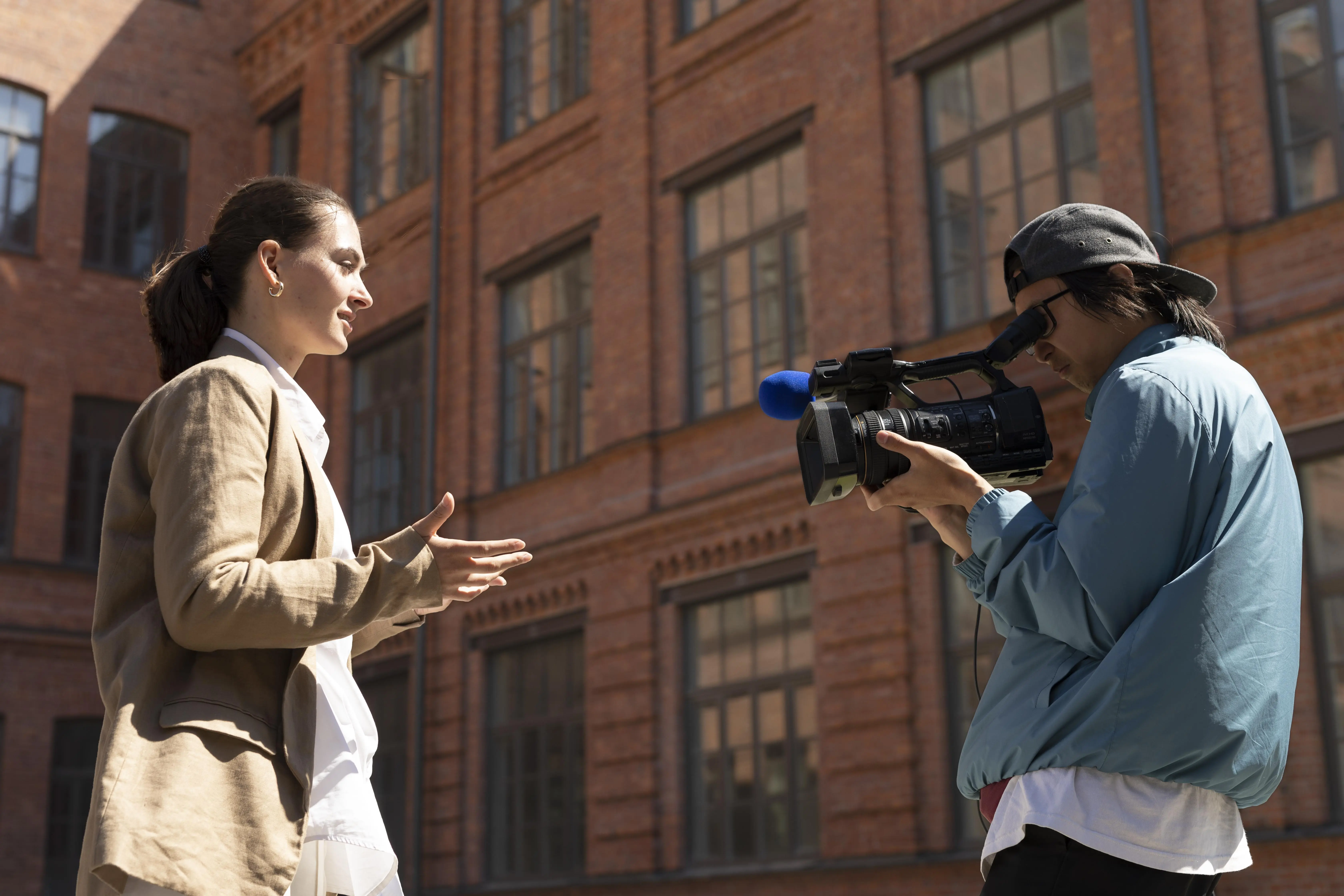
March 26, 2026Documentary video production is one of the most capable storytelling methods used in the US whenever you want to express and record reality in a rich, emotional and contextual way. In comparison to premeditated promotional materials, documentaries attain sincerity, lived experience, and point of view. In the context of presenting social issues, cultural stories, environmental issues, or place-based narration, the proper planning and high-quality filming assists in the guarantee that the moments of the real world will be transferred into the sphere of compelling visual impressions. Knowledge of the way documentary processes operate in the US can help you to craft narratives that are not only believable, appealing to the eye and thought-provoking far beyond the recording of the movie.
Table of Contents
Why authenticity defines documentary storytelling
There is a tendency of the viewers to engage more with the authentic stories as opposed to the acted messages. Owing to this fact, documentary video production emphasis is put in observation, interviews, and the natural settings unlike scripted performance. This is a method that will provide emotional appeal without compromising facts.
In the US, documentary work includes independent cultural work to institutional narrative used in education, research, and awareness of the comment. Whatever the size, justification of objectives and fair filming methods are the leading factors towards fruitful results.
Visual perspective through the landscape
Place is a significant factor that contributes to how viewers can perceive a story. Large spaces and urbanization, as well as local variation, help to create a tone of the narrative. Aerial video production can also help the filmmakers to show geographic contexts which the ground-level footage could not have done, allowing the viewer an expanded perception of place and size.
The method is popular in environmental documentaries, tourist narrative, and regional portrayals across the US whereby landscape usually becomes the subject matter.
Documentary techniques applied to property and place
In addition to the classic approach to the creation of the films, the documentary approach finds more and more applications in the real estate video production. Rather than mere walkthroughs, property pictures are now focusing on feel, lifestyle and community around. The use of narrative makes the viewers visualize experience instead of pure form.
This change can be facilitated by cooperating with a specialized real estate video production company to take advantage of integrating cinematic framing with natural lighting and contextual narration. It occurs more like a short documentary than a typical listing video, which helps to connect with potential buyers or investors on an emotional level.
Integrating aerial and ground-level storytelling
Aerial video production, combined with interior filming and street filming make up a full visual story of place. Extensive shots set the frame of geographic orientation, whereas close-ups present the texture and the life everyday. The integration of these factors improves documentary films and video production in the real estate industry across the US.
The stratified format of storytelling represents an extended shift towards immersive visual communication entered into where the audience anticipates being part of the space, rather than just looking at it.
Planning and production considerations in the US
The successful documentary video production requires preparation no less than spontaneity. Filling, access of subjects, release rights, and location logistics are all determinants of filming opportunities. Early coordination removes any disruption in the production as the US regulations and processes of permission to operate differ according to regions.
The timelines of documentaries are also affected by weather, distance of traveling, and flexibility in scheduling. In contrast to script filming, natural story-telling sometimes takes patience and flexibility to proceed and capture valuable moments capture the real-life story.
To know more about filming infrastructure, availability of crews and logistics in the country, you may visit WPS, in order to have a wider perspective on the production conditions in the country.
Post-production and narrative structure
Editing is a process that makes sense out of raw footage. The choice of interviews, the speed of the interview process, sound, and visual rhythms define the meaning interpretation of the audiences. In the documentary video production, a close sequencing is aligned to maintain balancing between an emotional truth and fact.
In property-oriented storytelling, there can also be color grading, music choices, and pacing, which are customized to viewer interest in the video done in conjunction with a real estate video making company. These options of finishing will make the end film appear informational or cinematic.
Distribution and long-term relevance
The use of documentaries mostly targets audiences at festivals, education, online streaming, or institutional archives. Due to this longer lifecycle, longevity has to be given attention to the production and editing of documentaries videos. Good narrative structure and visual quality allows one to maintain relevance several years after the release.
Likewise, the favorable approach to the distribution of real estate video can be distinguished by considering sensible distribution strategy, especially in case with remote purchasers or foreign viewers with interest in the US properties located overseas.
The US as a documentary environment
The US also has unparalleled variety in nonfiction narration, including cultural groups as well as historical sites, natural and changing urban environments. The variety allows documenting a broad variety of themes and visual approaches in video production.
Availability of qualified crews, high-tech equipment and diverse destinations enable filmmakers and organizations to make projects as big as they want to be instead of being restricted to certain limitations. The production ecosystem will change to your vision whether you have a small or a big story.
Conclusion
Listening to real life stories takes a lot of patience, clarity, and considered visual design. You are able to create real experiences into video documentaries that will inform, inspire, and live through with documentary video production. In the US, the various environments and varied experience of professional knowledge coupled with the development and enhancement of film production and filming methods (aerial video projects and narrative based production of real estates) make the strong possibility of the exchange of meaningful views. Documentary images keep resonating with the viewers long after the shooting as long as the planning is not exhaustive, the storytelling is not fabricated.
FAQ
What makes documentary video production different from scripted filming?
It focuses on real people, real events, and authentic environments rather than staged performances.
When is aerial video production most useful in documentaries?
It helps establish geographic context, scale, and environmental perspective that ground footage cannot show.
How does real estate video production benefit from documentary techniques?
Narrative storytelling and natural visuals create emotional connection instead of simple property display.
Why hire a real estate video production company?
Professional teams ensure cinematic quality, accurate representation, and effective viewer engagement.
Where are documentaries in the US typically distributed?
Common outlets include festivals, educational platforms, streaming services, and institutional archives.
Cinday Orley
Programming is a continuous learning process. The more we practice, the more we learn.Tools & Technologies
Previous Article: Subscription-Based Video Production Services in the US
Next Article: Corporate Training Video Production In The US