
Construction Photography in the United States Guide
 Cinday Orley
•
March 20, 2026
Cinday Orley
•
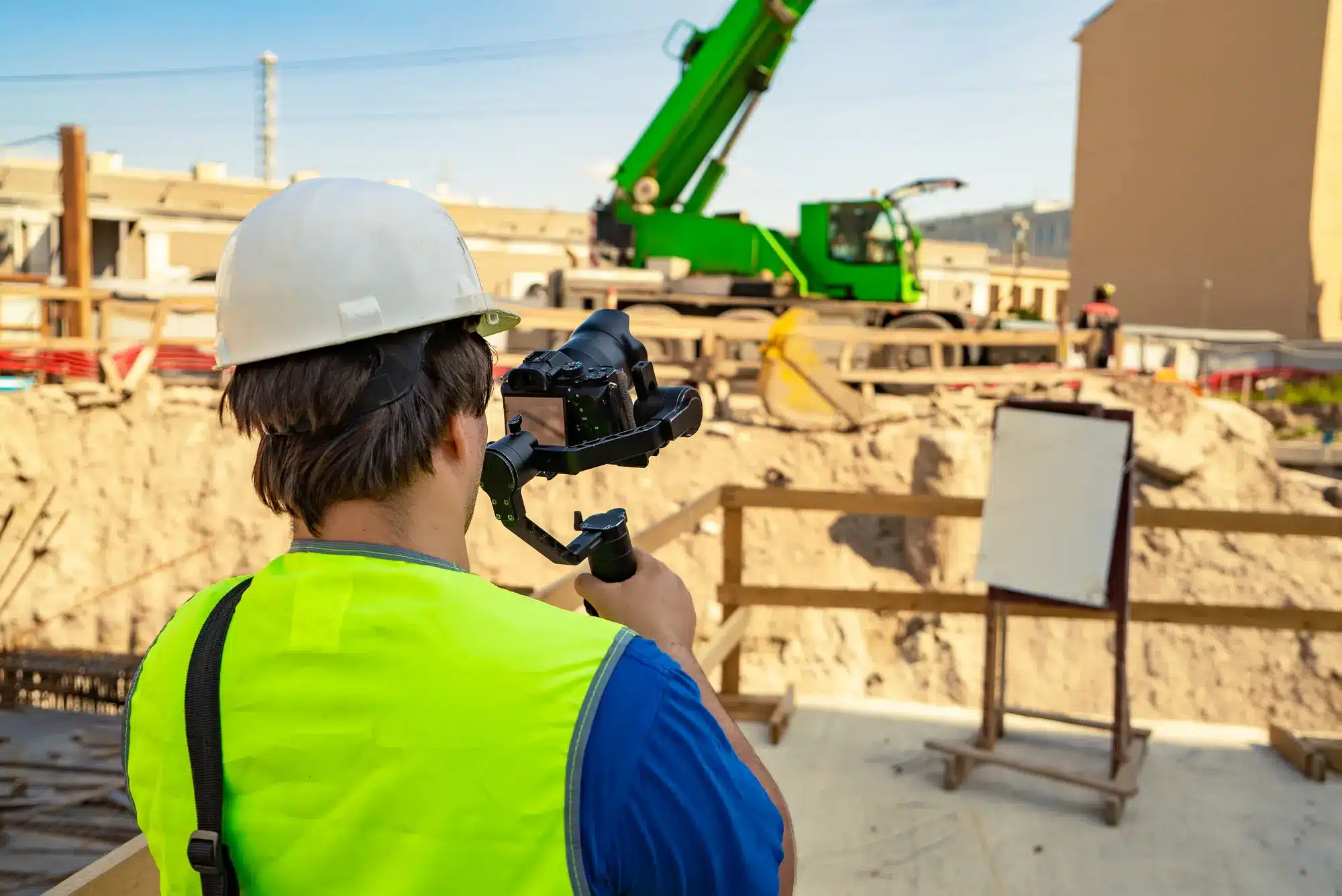
March 20, 2026Professional construction photography is a document of how built-in landscapes have transformed since earthworks to the ultimate architectural structures. Real estate developers, construction and design teams all over the US utilize standardized visual documentation as a marketing tool, compliance reporting, investor communication and historical archiving tool. Since building projects stretch to several months or even years, it is important to have a well-organized photo documentation so as to maintain with clarity and precision every level of project progress.
Table of Contents
The Purpose of Construction Documentation
Fundamentally, construction photography has two purposes: practical and storytelling. Progress imagery enables the stakeholders to keep track of milestones, confirm workmanship and update on the development progress without having to visit the site all the time.
On top of documentation, well-written images are also used in conveying promotional stories when projects are almost final. Design purpose, craft and environment is emphasized in these photographs, which turns technical advancement into undeniably beautiful visual communication.
Branding and Regional Identity in Visual Coverage
Visual storytelling tends to be more than just the construction site itself. Such imagery as mesa county brand photography can be used in the regional development efforts to tie infrastructure initiatives to grander community identity and economic communications.
This collaboration between constructions and place-based branding assist municipalities and developers in providing monolithic accounts regarding expansion, travel, and long-range scheduling. With careful application, photography is integrated into the strategic communication and not mere recording.
Hospitality Photography and Completed Spaces
After the construction is completed, the accent of the image will often cover the area of hospitality photography. Night hotels and resorts and social places should have alluring images that depict ambiance, illumination and customer experience instead of building features.
The shift in construction photography to hospitality photography indicates a larger storytelling process- intersecting raw materials and engineering precision to finished environments such as those that are comfortable and human interacting. Visual consistency through this transition enhances brand perception and marketing effect.
Technical Challenges on Active Construction Sites
The professional construction photography services demand focus on safety, light, and environmental issues to be taken into consideration. Photographers are forced to work around:
- Access control zones and security protocols.
- Changeable exposure of natural light and weather.
- Particles, movement, and evolving structure plans.
The protection planning and special equipment will make sure that the documentation is safe and accurate to the eyes across the lifetime of the project.
Choosing a Photographer for Construction Projects
When choosing an individual professional to take pictures on construction, one focuses on technical dependability as much as artistic mastery. Key considerations include:
- Working experience in controlled construction settings.
- Regularity in terms of documentation through the process of progress becoming long term.
- Capacity to provide technical documentation as well as marketing images.
- Understanding with project managers and stakeholders.
In the case of the company that organizes big projects or multi-location records, the search of the available professionals in our platform will allow detecting those who are used to work in challenging conditions of production.
Long-Term Value of Construction Imagery
The role of construction photography is not finished once a project has been done. Images may later support:
- Presentation to investors and funding proposals.
- Contractor and architectural documentation.
- The involvement of the community and history archives.
- Sale of finished business or hotel territory.
Since built environments define communities over decades, the preservation of their creation has a visual long-term meaning.
Conclusion
Considerate building photography makes technical development into aesthetic visual history, facilitating communication since the initial excavations to its ultimate appearance. Combined with a regional narration like mesa county brand photography and extended to a sophisticated hospitality photography, construction imagery is the effective instrument of brand positioning, reportages, and heritage. There has been a regular photographic coverage across the United States to make sure that the history of development is kept precise and purposeful. In case of failure, you require a professional crew members on our platform you are undertaking, refer to the registered crew on our site and specialise in the different departments.
FAQ
Why is construction photography important for developers?
Construction photography provides visual progress records, supports communication with stakeholders, and documents project completion.
What is mesa county brand photography used for?
Mesa county brand photography connects infrastructure and development imagery with regional identity and community storytelling.
How does hospitality photography differ from construction imagery?
Hospitality photography focuses on atmosphere and guest experience, while construction imagery documents structural progress.
Are special safety measures required for construction photography?
Yes. Professional construction photography must follow site safety regulations and protective equipment guidelines.
Can construction photos be used after completion?
Absolutely. Completed construction photography often supports marketing, portfolios, and long-term archival documentation.
Cinday Orley
About Me
I am a senior software engineer skilled in developing enterprise-grade software solutions using Microsoft technologies. With a decade of experience, I specialize in delivering high-quality software products that fulfill my clients' specific needs. Throughout my professional journey, I have contributed to a diverse range of greenfield and brownfield software development projects in both corporate and freelance environments, providing profound insights into efficient, effective, and scalable software solutions.
Currently, I'm open to work and employment opportunities.
I specialize in various areas, including, but not limited to:Designing scalable applications in C# .NET
Confidently shipping well-architected, production-ready apps using N-Layer Architecture and Clean Architecture. While Clean Architecture remains very pure and adheres strictly to its principles, I always tend to take a pragmatic approach towards it.
Applying OOP principles such as SOLID.
Implementing design patterns like the Repository Pattern, Unit of Work Pattern, CQRS Pattern, and Mediator Pattern to effectively address cross-cutting concerns.
Applying best practices to EF Core and achieving incredible query performance with Dapper.
Developing Interactive, Rich Client-Side, and Progressive Web Applications Using Razor, Angular, React.
Skillfully implementing Structured Logging through Serilog.
Proficiently managing source control and project through Azure DevOps, GitHub, BitBucket.What I do?
🔭 Writing: C# | ASP.NET | ASP.NET MVC | ASP.NET Core | .NET 7.0 | Web API | Razor | Angular | React | Clean Architecture | CQRS | MSSQL | Azure
💬 Ask Me About: .NET, RESTful APIs, MSSQL, Razor, Angular, React, CQRS, Software Architecture, Design Patterns, Azure.
🌱 I'm currently learning many things, I believe that everyday is a learning opportunity.
👯 Collaboration: I'm enthusiastic about meaningful collaborations and contributions. If you have an interesting project in mind or require assistance with your ongoing efforts, don't hesitate to contact me. Let's work together to achieve our goals.
👯 I'm currently open for work and employment opportunities (remote and relocation)
Programming is a continuous learning process. The more we practice, the more we learn.Tools & Technologies
Previous Article: Video Editor Position Responsibilities, Hiring Needs, and Salary Insights
Next Article: Food Photography Photographers in the United States Guide